

From Schedule I to Schedule III: A Plain-English Guide to Cannabis Scheduling
Most people don’t think about cannabis scheduling until a headline makes it sound like everything is about to change.
Then the fine print shows up.
Schedule I. Schedule III. Rescheduling. Federal law. State law. Suddenly, a simple question turns into a stack of legal documents nobody asked for.
So let’s keep it plain.
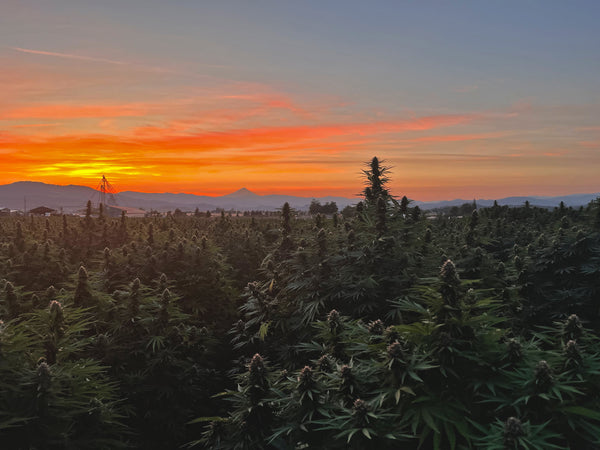
Cannabis scheduling is how the federal government classifies marijuana. Hemp is a separate story. The 2018 Farm Bill removed hemp containing less than 0.3% delta-9 THC from the federal drug schedules, so the flower we grow on our Southern Oregon farm has never been a scheduled substance. Right now, the big conversation is whether marijuana should move from Schedule I to Schedule III. That would matter. It just wouldn’t make every cannabis law disappear overnight.
Annoying? Yeah. Important? Also yeah.
Need cannabis scheduling explained in normal language? Let’s begin.
Drug Scheduling Explained in Plain English
Drug scheduling is the federal sorting system for controlled substances.
That’s the boring answer.
The more useful answer? A schedule tells you how tightly the federal government controls a substance. Schedule I is the strictest category. Schedule V is the least strict. Somewhere in the middle, you get substances that still have rules around them, but are treated differently because of accepted medical use, lower abuse potential, or both.
|
Schedule |
Plain-English Meaning |
|
Schedule I |
The most restricted category under federal law |
|
Schedule II |
Still tightly controlled, but treated differently from Schedule I |
|
Schedule III |
Controlled, but less restricted than Schedule I or II |
|
Schedule IV |
Lower control level than Schedule III |
|
Schedule V |
The least restricted category |
That’s the ladder.
Cannabis scheduling gets messy because marijuana has been listed in Schedule I while many states have built their own medical or adult-use cannabis programs. So people hear “legal” in one place and “controlled substance” in another.
That’s why it matters to have drug schedules explained. Changing the category can change the conversation.
Schedule I: Why the Current Category Matters

Schedule I is the strictest federal category.
That’s the short version.
The longer version is where cannabis scheduling starts getting weird. Schedule I is supposed to cover substances with no currently accepted medical use under federal law and a high potential for abuse. Marijuana has sat in that category for decades, even while many states have built medical or adult-use programs around it.
So you get the mess.
A person may walk into a licensed dispensary in one state, then cross a state line into a completely different set of rules. That’s why drug scheduling explained is so important to understand. A business may be legal under state law but still dealing with federal limits. Researchers, growers, retailers, banks, customers - everybody ends up reading the fine print.
Schedule II: Still Tightly Controlled
Schedule II can sound like a compromise if you only look at the number.
One step down, right?
Not exactly. Schedule II substances still sit under tight federal control. The category can include substances with accepted medical use, but the rules around prescribing, handling, and distribution are still strict. So, moving cannabis scheduling from Schedule I to Schedule II would not exactly be a casual little paperwork update.
For this conversation, Schedule II mostly helps show the ladder. It sits between the most restricted category and Schedule III, which is where the current marijuana proposal points.
So when people talk about moving marijuana to Schedule III, they are not talking about skipping rules altogether. They are talking about moving it into a different controlled category.
That distinction saves a lot of confusion.
Schedule III: What Would Change
Schedule III is where the current cannabis rescheduling conversation is pointed.
That does not mean that cannabis scheduling causes marijuana to be treated like tomatoes. Or coffee. Or whatever your uncle on Facebook thinks this means.
Schedule III substances are still controlled. They still come with federal rules.
The difference is that Schedule III is less restrictive than Schedule I or Schedule II, and the federal proposal says marijuana would move there based on accepted medical use and a lower abuse potential than substances in the first two schedules.
That could matter for research. It could matter for cannabis businesses, especially around federal tax rules. It could also change how marijuana is talked about in medicine, regulation, and public policy.
Where Cannabis Rescheduling Stands Now
As of 2026, marijuana rescheduling is still moving through the federal process. The DOJ proposed moving marijuana from Schedule I to Schedule III in 2024, and the DEA announced that formal hearing proceedings on the proposal would begin on June 29, 2026. More recently, on September 9, 2026, the U.S. Court of Appeals for the D.C. Circuit declined to pause the rescheduling while a challenge from drug-testing and pharmaceutical interests moves forward.
Federal rulemaking moves slowly, and cannabis policy has never exactly been the neatest drawer in the kitchen, so to speak.
For now, the practical takeaway is simple: watch the federal process, check state rules, and be skeptical of unverified claimscareful with untrusted sources about what rescheduling does or does not allow.
Final Takeaways
Cannabis scheduling can feel like a maze because it kind of is.
For everyday customers, drug scheduling explained is pretty simple: rules can change slowly, and labels matter. The hemp flower we grow sits outside this whole conversation. It contains less than 0.3% delta-9 THC and is compliant with the 2018 Farm Bill, not a scheduled substance. State rules still vary, so check your local laws before purchasing. Before you buy hemp online, it helps to understand the difference between state rules, federal scheduling, and the kind of hemp flower products you’re actually shopping for.
Rescheduling marijuana would be a shift in federal policy, not a magic “no rules exist now” button. For growers, customers, researchers, and anyone trying to understand cannabis law without reading 80 pages of government language, that distinction is vital.
Latest Posts