

Hemp Terroir: How Does the Environment Change the Flower?
- Where hemp flower grows can influence its cannabinoid, terpene, aroma, and physical characteristics.
- Indoor cultivation gives growers tighter control over light, temperature, humidity, airflow, and irrigation.
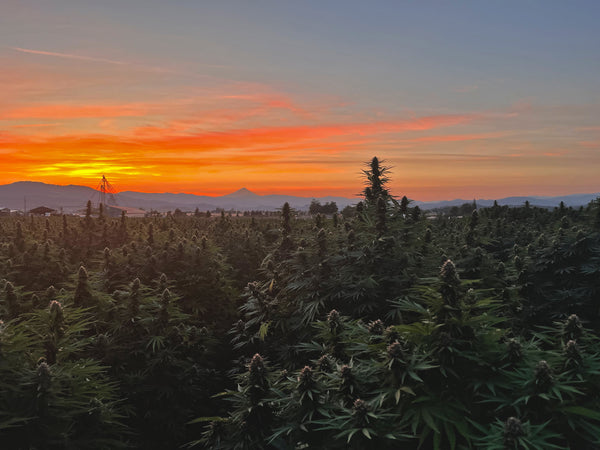
- Sungrown flower develops under natural sunlight, changing temperatures, soil conditions, wind, and seasonal weather.
- In one 2026 study, cultivar genetics explained more chemical variation than cultivation method, though both had measurable effects.
Put the same hemp flower genetics in two different growing environments, and the finished plants can develop different chemical profiles.
That’s one of the more interesting parts of hemp farming to us. We choose the genetics, but light, soil, water, temperature, weather, and cultivation practices also shape the crop.
So what changes between sungrown and indoor CBD flower? Here’s how we look at it.

Sungrown and Indoor Hemp Flower Farming Start With Different Conditions
Indoor and sungrown CBD farming methods differ most in how much of the growing environment a farmer can control.
With indoor cultivation, growers can manage:
- Light intensity and schedule
- Temperature
- Humidity
- Air movement
- Irrigation
- Growing media
Outdoors, we can manage the crop, but we can’t set the weather. Sungrown hemp farming works with natural sunlight, changing day length, temperature swings, wind, rainfall, soil conditions, and the growing season.
Neither method is automatically better. They expose plants to different growing conditions.
What Does Terroir Mean for Hemp Flower?
Terroir is shorthand for the environmental conditions surrounding a crop.
The term is often used for wine and coffee, but the same idea applies to hemp farming. Soil, climate, elevation, sunlight, water, and farming practices interact with plant genetics as the crop develops.
A 2023 study comparing genetically identical plants grown indoors and outdoors found different cannabinoid and terpene profiles between the two growing systems. A similar 2026 study also found measurable chemical differences. Cultivar genetics explained more variation than cultivation method in that study.
How Light Can Change Hemp Flower
Light is one of the biggest differences between indoor and outdoor hemp farming.
Indoor growers control lighting schedules, duration, and spectrum. Outdoors, our plants receive sunlight that changes in intensity and spectrum throughout the day and season.
The 2023 indoor-versus-outdoor study found differences in cannabinoids and terpenes between genetically identical plants. Outdoor samples contained a greater proportion of several sesquiterpenes, including beta-caryophyllene and alpha-humulene.
The study doesn’t prove sunlight alone caused those differences. The outdoor plants also grew in living soil, while the indoor plants used artificial growing media.
That distinction matters when comparing CBD farming methods. We have to look at the whole growing system rather than crediting one variable for every difference.
Separate controlled research on light spectrum has also found that light conditions can change cannabinoid and terpene concentrations in Cannabis sativa.
How Soil Can Change Hemp Flower
Field-based hemp farming can put plant roots directly into an agricultural soil system.
Soil differs in structure, drainage, organic matter, mineral availability, microbial communities, and moisture retention.
A 2025 study comparing hemp flower under different soil-management systems found differences in cannabinoid and terpenoid composition. The results also varied by cultivar.
That matters when comparing CBD farming methods because the same field conditions don’t affect every cultivar in the same way.
A cultivar name identifies the genetics. It doesn’t tell you everything about how those genetics developed in the field.
Weather Affects Sungrown Hemp Flower
Outdoor hemp farming changes with the season.
Hot afternoons, cool nights, wind, rain, and irrigation needs can shift throughout the growing cycle. We respond to those conditions rather than setting them on a control panel.
Research on field-grown hemp flower has found that water deficit, flooding, and wind can alter phytochemical diversity and cannabinoid composition.
Indoor cultivation removes some of that variability because growers can hold temperature, humidity, airflow, and irrigation closer to set targets.
Does Sungrown Hemp Flower Have More Terpenes?
Some studies have found higher proportions of particular terpenes in outdoor-grown samples. That doesn’t mean every sungrown cultivar will contain more terpenes than every indoor-grown cultivar.
Genetics, light, soil, harvest timing, drying, curing, and storage all affect the finished flower.
When we compare CBD farming methods, “sungrown” and “indoor” are useful labels, but neither tells the whole story.
Is Indoor CBD Flower More Consistent?
Indoor cultivation gives growers more control over environmental variables, which can make growing conditions easier to repeat from crop to crop.
That doesn’t mean two indoor harvests will be chemically identical. Genetics, timing, nutrition, cultivation practices, and post-harvest handling can still affect the finished product.
The same principle applies to hemp farming outdoors. The same cultivar can develop differently from one season to the next as outdoor conditions change.
Why We Grow Sungrown Flower in Southern Oregon
At Rogue Origin, we practice hemp farming in Southern Oregon using sungrown and, greenhouse cultivation methods.
Our sungrown plants develop outdoors under natural sunlight and seasonal conditions, making the Rogue Valley part of the growing environment.
Our sungrown CBD flower develops within those conditions before harvest and post-harvest handling.
We don’t think outdoor flower automatically beats indoor flower. The cultivation method gives you useful context about how the crop was grown.

How We Compare Sungrown and Indoor CBD Flower
When we compare hemp farming methods, we look beyond the cultivation label.
- Check the cultivar. Genetics remain a major influence on cannabinoid and terpene composition.
- Check how it was grown. Sungrown, greenhouse, and indoor cultivation expose plants to different environments.
- Read the COA. Third-party testing provides cannabinoid information for the tested flower.
- Look at post-harvest handling. Drying, curing, trimming, and storage still matter after harvest.
- Compare actual batches. Agricultural products can vary from one harvest to another.
We publish cultivar lab results and COAs so you can compare tested flower rather than relying on cultivation labels alone.

Environment Is One Part of the Flower
Good hemp farming starts with genetics, but the growing environment influences what happens next.
With indoor cultivation, growers are able to control more of the environment. With sungrown flower, we work with sunlight, soil, weather, and the season.
CBD farming takes several forms on our farm, including sungrown, greenhouse, and indoor cultivation. Explore our current harvest and buy hemp online to compare what’s available.
Latest Posts